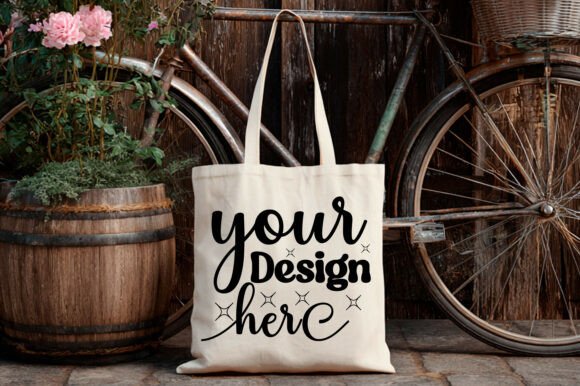
Review: Christmas Tote Bag Mockup 1 for Real Embroidery Projects
As a designer who spends more time staring at stitch density charts and fabric swatches than actually sleeping, I approach every new asset with a healthy dose of skepticism. The market is flooded with generic clipart disguised as embroidery files, and too often, what looks charming on a screen falls apart under the needle. That is why I take the time to evaluate assets like Christmas Tote Bag Mockup 1 not just for their aesthetic appeal, but for their structural integrity and practical application in a real-world craft business or personal project.
I recently had the opportunity to test this specific mockup against some common holiday production scenarios. My goal was to determine if this design holds up when translated from a digital preview to a tangible, stitched product. Below is my honest breakdown of how this design performs, where it shines, and where you might want to proceed with caution.
First Impressions and Visual Personality
The immediate mood created by Christmas Tote Bag Mockup 1 is one of cozy, rustic charm rather than flashy, high-gloss commercialism. In an era where everything screams for attention, this design feels grounded. It leans into the traditional aesthetics of winter holidays—think warm textures, classic color palettes, and layouts that feel balanced rather than cluttered.
From a layout perspective, the composition is smart. It avoids the common pitfall of over-designing, which is crucial for embroidery. There is enough visual weight to catch the eye, but the negative space is respected. This suggests that the underlying file is likely optimized for readability even after the slight distortion that can occur during stitching. For a tote bag design, this is vital because the canvas is large, and a poorly scaled design can look lost or overwhelmingly busy depending on placement.
The visual personality fits perfectly with the current trend toward handmade, artisanal goods. It does not try to be something it is not; instead, it embraces the limitations and strengths of thread-based art. This authenticity is exactly what customers are looking for when they purchase personalized gifts or boutique items.
Real-World Application Scenarios
So, where does Christmas Tote Bag Mockup 1 actually fit in your workflow? I have analyzed its potential across several key categories where embroidery designers and small business owners operate.
- Custom Apparel and Sweatshirts: While titled for a tote, the versatility of this design allows it to translate well to sweatshirt embroidery. The central placement works beautifully on the chest area of hoodies or crewnecks. The contrast levels appear sufficient to pop against both heather grey and black fabrics, making it a strong candidate for holiday apparel lines.
- Baby and Nursery Items: The softer aesthetic makes this suitable for baby embroidery. Imagine this stitched onto a muslin blanket or a nursery wall hanging. The lack of overly aggressive shapes ensures it remains gentle and appropriate for infant products, which require careful consideration of texture and safety.
- Kitchen and Home Decor: This design has significant potential as a kitchen towel or apron accent. The horizontal orientation suggested by the mockup works well for rectangular textiles. For a small shop product, adding this to a set of holiday kitchen linens can increase the perceived value of the bundle.
- Holiday Gifts and Merchandise: For Etsy sellers and craft business owners, this asset is ready for seasonal inventory. It fits the "giftability" criteria perfectly. Whether used on a pillow cover or a decorative pillow sham, it offers a quick turnaround item that feels substantial and thoughtful.
In these contexts, the design contributes to brand consistency. It looks professional enough for a boutique display but retains the warmth of a handmade product. This balance is difficult to achieve, yet this mockup suggests it is possible.
Areas Requiring Careful Consideration
No design is perfect, and transparency is key to good design advice. There are specific situations where you should handle Christmas Tote Bag Mockup 1 with extra care.
Small Hoop Sizes: If you plan to digitize or use this for very small applications, such as embroidered patches or cap logos, you must verify the minimum hoop size. Designs with intricate details can lose definition if compressed too much. Always check the fine lines and tiny text elements to ensure they remain distinct.
Fabric Texture and Stretch: Embroidery interacts dynamically with fabric. On highly textured fabrics like heavy wool or bouclé, the background noise may compete with the design’s finer details. Similarly, on stretchy knits, you need to ensure adequate stabilizer support to prevent puckering. This design appears to have moderate complexity, so using a cut-away stabilizer for stretchy garments is non-negotiable.
Dense Stitch Areas: Pay close attention to any fill stitches. If the design relies heavily on dense coverage, it can become stiff and uncomfortable, particularly on clothing items like custom apparel or aprons that will be worn frequently. Test the hand-feel of the finished sample to ensure it does not feel like a rigid plate.
Dark Fabrics: While many designs struggle with contrast on dark backgrounds, this one seems to rely on lighter threads. If you intend to stitch this on navy or black fabric, you may need to add a backing layer or choose thread colors specifically chosen for high visibility. A black-and-white test print is a useful trick here to judge contrast before committing to expensive thread.
Practical Designer Notes for Implementation
To get the most out of this asset, I recommend following these practical steps before launching into mass production or client work.
- Test on Scrap Fabric: Never trust the screen alone. Stitch a sample on the exact fabric you plan to sell or give. This reveals how the thread colors interact with the material grain and weave.
- Check Stitch Density: Review the file for excessive density. High density saves time but reduces fabric drape. Look for areas where fill stitch overlaps unnecessarily and trim them down if your software allows.
- Verify Licensing: Before listing any finished product on Etsy or your own website, confirm the licensing terms. Ensure you have the right to sell physical items made from this design. Commercial rights vary widely among creators.
- Inspect Small Details: Zoom in on the digital file. Are there tiny elements that might break the needle or tangle the thread? Simplify these parts if necessary to improve machine reliability.
- Compare Light vs. Dark: Run the design through a simulation tool to see how it looks on both light and dark backgrounds. This helps you offer more options to your customers and avoid returns due to poor contrast.
Final Verdict on Visual Appeal and Value
Ultimately, Christmas Tote Bag Mockup 1 succeeds because it respects the medium. It does not try to mimic vector graphics with impossible precision; instead, it leverages the texture and sheen of thread. This results in a finished product that feels authentic and high-quality.
For digital product sellers offering design assets, this mockup serves as an excellent preview tool to demonstrate how the design looks in context. For the end-user, it provides a clear roadmap for creating a holiday embroidery project that stands out without being overwhelming.
The design enhances customer trust by presenting a clean, professional image. When buyers see a well-executed embroidery project that looks sharp and cohesive, they are more likely to perceive the value in the item. This is especially important in the competitive landscape of craft fairs and online marketplaces.
If you are looking to add a touch of festive elegance to your machine embroidery design library, this is a solid addition. Just remember to do your homework on fabric selection and stabilization. With proper execution, Christmas Tote Bag Mockup 1 can be the centerpiece of a successful holiday collection, whether you are making gifts for loved ones or building a profitable small business.